10 Common Eye Conditions and What They Mean for Your Vision
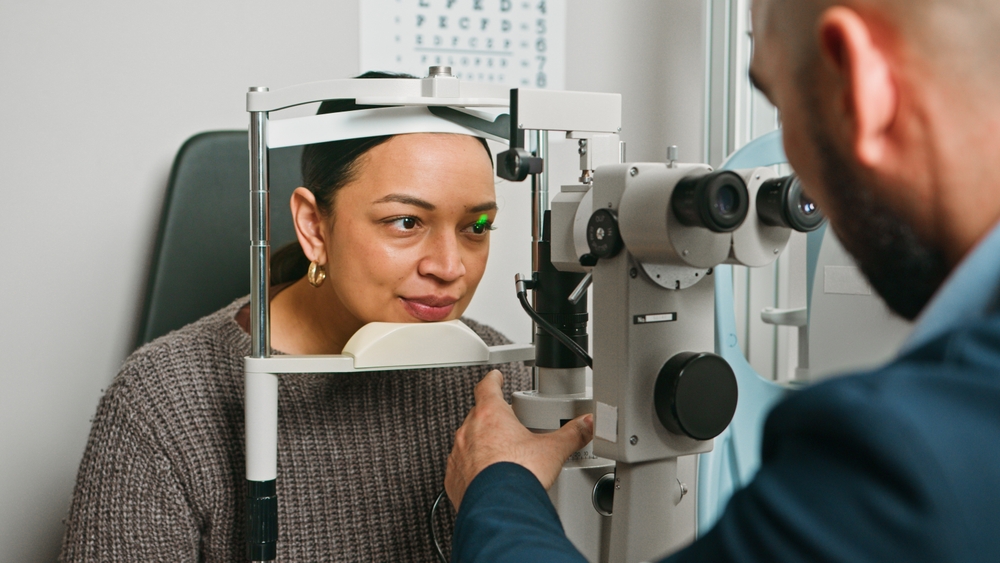
Your eyes play an essential role in how you experience the world around you, but many people don’t realize just how vulnerable vision can be to various conditions. Understanding the signs, symptoms, and risks can help you protect your sight for years to come. At Watertown Family Eyecare, our experienced eye doctors in Watertown, SD are here to keep your vision healthy with early detection and treatment through annual comprehensive eye exams. Here are 10 of the most common eye conditions and what they could mean for your vision.
1. Refractive Errors
This group includes nearsightedness, farsightedness, and astigmatism. Refractive errors are caused by the shape of the eye not bending light correctly, leading to blurry vision. Glasses, contact lenses, or vision correction procedures can help you see clearly.
2. Presbyopia
As we age, the eye’s natural lens becomes less flexible. This makes it harder to focus on close-up objects, often becoming noticeable around age 40. Reading glasses, bifocals, or specialty lenses can restore near vision.
3. Dry Eye Disease
When your eyes don’t produce enough tears or the tears evaporate too quickly, dryness, burning, or irritation can occur. Dry eye can disrupt daily tasks and should be managed with proper treatment to protect the surface of your eyes.
4. Cataracts
Cataracts occur when the natural lens becomes cloudy, making vision appear blurry, dim, or yellowed. Though common with age, cataracts can also result from injury or certain medical conditions. Fortunately, cataract surgery provides a highly effective solution.
5. Glaucoma
Glaucoma damages the optic nerve, often due to elevated eye pressure. It can lead to permanent vision loss without early detection. Because symptoms may not appear until vision is already affected, routine eye exams are crucial.
6. Age-Related Macular Degeneration (AMD)
AMD affects the macula, the central part of the retina responsible for sharp, detailed vision. Early signs include difficulty seeing in low light or blurred central vision. Lifestyle changes and advanced treatments can help slow progression.
7. Diabetic Retinopathy
High blood sugar levels can damage tiny blood vessels in the retina, leading to vision impairment. People with diabetes should have annual eye exams to detect complications early and prevent serious vision loss.
8. Conjunctivitis (Pink Eye)
This inflammation of the conjunctiva can be caused by bacteria, viruses, or allergens. Symptoms range from redness and itching to discharge and tearing. Treatment depends on the cause, so a proper diagnosis is key.
9. Keratoconus
Keratoconus thins and weakens the cornea, causing it to bulge into a cone-like shape. This disrupts vision and may require specialty contact lenses or advanced treatment options to stabilize the condition.
10. Amblyopia (Lazy Eye)
Amblyopia develops when one eye doesn’t work as well as the other, usually in childhood. Prompt treatment, including vision therapy, eye drops, or patching, can significantly improve visual development.
Why Routine Eye Exams Are Essential
Even if your vision seems fine, many eye diseases develop silently. Regular checkups allow us to detect issues before they threaten your sight. Our eye doctors in Watertown, SD use advanced technology to ensure every detail of your eye health is examined carefully.
Take the Next Step Toward Better Eye Health
Understanding common eye conditions is the first step toward protecting your vision, but early detection makes the biggest difference. Even small changes to your eyesight can signal something more serious beneath the surface. By prioritizing routine eye care, you give yourself the best chance at maintaining clear, comfortable vision for years to come.
If it’s been more than a year since your last visit, now is the perfect time to schedule a comprehensive eye exam at Watertown Family Eyecare. Visit our office in Watertown, South Dakota, or call (605) 753- 3937 to book an appointment today.



Contact Info
Phone Number:
(605) 753-3937
Hours of Operation
- Monday 8:30am - 5:00pm
- Tuesday 9:00am - 7:00pm
- Wednesday 8:30am - 5:00pm
- Thursday 8:30am - 5:00pm
- Friday 9:00am - 2:00pm
- Saturday Closed
- Sunday Closed
© 2026 Watertown Family Eyecare. All Rights Reserved. - Privacy Policy
Powered by: